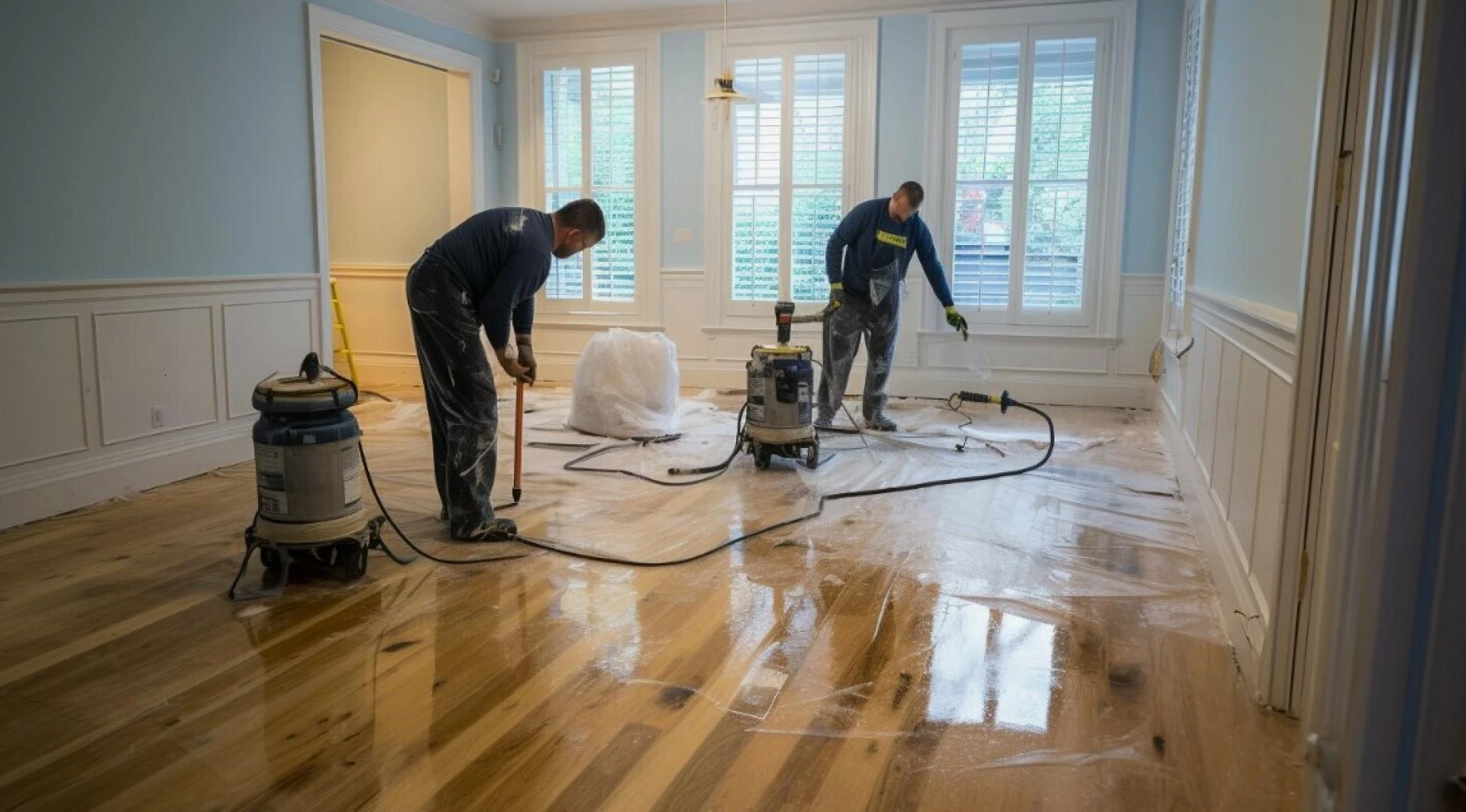
Water damage can happen without warning, whether it’s caused by a burst pipe, heavy rain, appliance failure, roof leaks, or sewage backups. For homeowners in Edgewood, Washington, acting quickly is the best way to reduce repair costs and prevent secondary damage such as mold growth or structural deterioration.
This guide explains the average water damage restoration costs in Edgewood, WA, the factors that affect pricing, and practical ways to save money during the restoration process.
Average Water Damage Restoration Cost in Edgewood, WA
While costs vary depending on the severity of the damage, most homeowners in the Edgewood and greater Pierce County area can expect to pay:
| Service | Estimated Cost |
|---|---|
| Water extraction | $500 – $1,500 |
| Structural drying | $1,000 – $3,500 |
| Minor water damage restoration | $1,500 – $3,000 |
| Moderate restoration | $3,000 – $7,500 |
| Major flood restoration | $8,000 – $20,000+ |
| Mold remediation (if needed) | $1,200 – $3,800 |
| Drywall replacement | $300 – $850 |
| Flooring repairs | $200 – $3,000 |
Across Washington, many residential water damage restoration projects typically fall between $1,500 and $8,000, while extensive flooding or structural repairs can exceed $20,000. Labor rates for restoration professionals generally range from $70 to $200 per hour, depending on the complexity of the job.
What Affects Water Damage Restoration Costs?
Several factors determine the final restoration bill.
1. Type of Water
The source of the water significantly impacts cleanup costs.
- Clean Water – From broken supply lines or overflowing sinks; generally the least expensive to restore.
- Gray Water – From washing machines, dishwashers, or sump pump failures; requires additional sanitation.
- Black Water – From sewage backups or floodwater; requires specialized cleanup, protective equipment, and extensive disinfection.
Black water restoration is usually the most expensive due to health risks.
2. Size of the Damaged Area
Most restoration companies estimate costs partly based on the affected square footage. Larger areas require additional drying equipment, labor, demolition, and reconstruction.
A small bathroom leak may cost only a few thousand dollars, while water affecting an entire basement or multiple rooms can increase costs significantly.
3. Length of Time Water Remains
Water damage becomes more expensive the longer it goes untreated.
Within the first 24–48 hours, moisture can soak into drywall, insulation, wood framing, and flooring. Mold may begin developing during this period, making restoration more extensive and costly. Restoration companies emphasize rapid mitigation because delays often increase both repair work and insurance complications.
4. Materials That Need Replacement
Different building materials have different restoration costs.
Examples include:
- Hardwood flooring
- Laminate flooring
- Carpet and padding
- Drywall
- Ceiling materials
- Cabinets
- Insulation
- Baseboards
Some materials can be dried and restored, while others require complete replacement.
5. Mold Growth
If moisture remains trapped inside walls or flooring, mold remediation may become necessary.
Professional mold removal adds extra labor, containment procedures, air filtration, and antimicrobial treatments, increasing the total restoration cost.
Typical Water Damage Scenarios in Edgewood Homes
Common restoration jobs include:
- Burst water pipes during winter
- Roof leaks after storms
- Water heater failures
- Washing machine hose leaks
- Dishwasher overflows
- Toilet overflows
- Basement flooding
- Crawl space water intrusion
Each situation requires different drying methods and repair techniques.
Does Homeowners Insurance Cover Water Damage?
Many homeowners insurance policies cover sudden and accidental water damage, such as:
- Burst pipes
- Appliance malfunctions
- Accidental plumbing leaks
However, insurance usually does not cover:
- Flood damage (without separate flood insurance)
- Long-term leaks caused by neglected maintenance
- Gradual deterioration
- Groundwater seepage
Always review your individual policy and contact your insurance provider as soon as water damage occurs.
How to Reduce Restoration Costs
Homeowners can often minimize expenses by:
- Shutting off the water supply immediately
- Removing standing water when safe
- Moving furniture away from affected areas
- Contacting a restoration company as soon as possible
- Photographing all visible damage for insurance claims
- Keeping receipts for emergency expenses
Quick action often reduces demolition, drying time, and reconstruction costs.
Choosing a Water Damage Restoration Company in Edgewood
When comparing contractors, look for:
- 24/7 emergency response
- Certified restoration technicians
- Moisture detection equipment
- Industrial drying systems
- Assistance with insurance claims
- Clear written estimates
- Positive customer reviews
Obtaining multiple estimates can help homeowners compare pricing and services before beginning restoration work.
Final Thoughts
Water damage restoration costs in Edgewood, WA, depend on the size of the affected area, the source of the water, the materials involved, and how quickly mitigation begins. While minor repairs may cost only a few thousand dollars, extensive flooding or sewage damage can exceed $20,000.
The most effective way to keep restoration costs under control is to respond immediately, hire qualified professionals, and address hidden moisture before it leads to mold or structural damage. Fast action not only protects your home but can also reduce the overall cost of repairs.