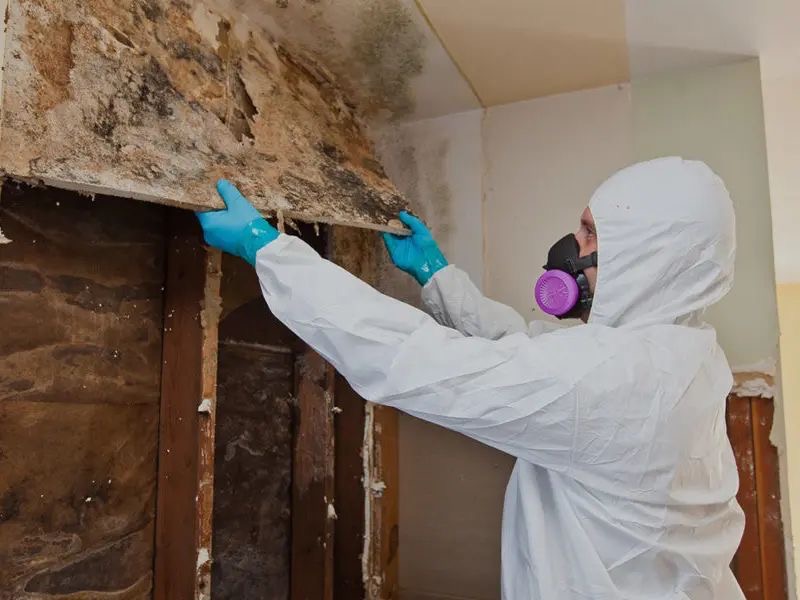
A musty smell in the basement that never quite goes away. Dark spots creeping across a bathroom ceiling after months of steamy showers. A patch of discoloration behind furniture that was pushed against an exterior wall. Mold has a way of establishing itself quietly before it becomes impossible to ignore, and understanding what causes it can help homeowners respond quickly with professional mold remediation.
In this guide, DBuild walks through the most common causes of mold growth, what to expect from a professional remediation process, and how to prevent it from coming back.
Why Prompt Mold Remediation Matters
It’s tempting to treat a small patch of mold as a simple cleaning task, but mold rarely stays contained to the spot where it’s first noticed. Mold spores spread easily through the air and can establish new colonies in nearby areas with the right moisture conditions. Left untreated, mold can also compromise the structural materials it grows on, from drywall to wood framing, and may contribute to respiratory irritation for household members. Addressing mold promptly and thoroughly, rather than just wiping away the visible surface growth, helps homeowners avoid the larger remediation projects that often follow when the underlying moisture problem is left unresolved.
Common Causes of Mold Growth
Hidden Water Leaks
A slow leak behind a wall, under a sink, or around a window frame can create the damp conditions mold needs to thrive, often for weeks or months before it becomes visible. This is one of the most common sources of mold that homeowners don’t discover until damage has already spread.
High Humidity and Poor Ventilation
Bathrooms, kitchens, and basements with inadequate ventilation tend to trap moisture in the air, creating an environment where mold can develop even without an active leak. Poor airflow is a particularly common contributor in older homes.
Past Water Damage
Areas that experienced flooding, a burst pipe, or storm damage in the past are at higher risk for mold if they weren’t fully dried and treated at the time. Mold can develop within 24 to 48 hours of water exposure if drying isn’t thorough.
Condensation Buildup
Condensation on windows, pipes, or in poorly insulated areas can create persistent dampness over time, particularly during seasonal temperature swings. This moisture source is often overlooked since it doesn’t involve an obvious leak.
Roof or Foundation Issues
Water intrusion from a damaged roof or a foundation crack can introduce moisture into areas like attics, crawl spaces, and basements, creating conditions for mold growth that may not be visible from inside the living space.
Poor Drainage Around the Property
Grading or drainage issues that direct water toward a home’s foundation can lead to persistent moisture in basements and crawl spaces, which are common hot spots for mold development.
Health and Property Considerations
One of the most common questions homeowners have is how seriously to take mold once it’s discovered. A few factors typically guide the response:
Extent of the Visible Growth A small, isolated patch of mold on a hard, non-porous surface may be more manageable, while mold spreading across porous materials like drywall or carpet often requires more extensive remediation.
Underlying Moisture Source Identifying and resolving the moisture source is just as important as removing the visible mold, since mold will return if the underlying dampness isn’t addressed.
Household Sensitivities Household members with allergies, asthma, or other respiratory sensitivities may be more affected by mold exposure, which can make prompt remediation a higher priority.
Structural Materials Affected Mold growing on structural components, like framing or subflooring, is a more serious concern than surface mold on tile or hard surfaces, since it can compromise the integrity of the material over time.
A professional assessment is the best way to determine the appropriate scope of remediation for your specific situation.
What to Expect During Professional Mold Remediation
1. Assessment and Inspection A professional inspects the affected area, identifies the extent of the mold growth, and works to pinpoint the underlying moisture source.
2. Clear Explanation and Estimate You’ll receive a straightforward explanation of the scope of work along with transparent pricing before any work begins.
3. Containment The affected area is contained to prevent mold spores from spreading to unaffected parts of the property during the remediation process.
4. Remediation Mold-affected materials are removed or treated as appropriate, and the area is thoroughly cleaned using professional-grade equipment and treatments.
5. Restoration Once remediation is complete, any necessary repairs or reconstruction, such as replacing drywall or flooring, are completed to restore the affected area.
Preventing Future Mold Problems
- Address leaks and water intrusion as soon as they’re discovered, rather than waiting
- Use exhaust fans in bathrooms and kitchens to reduce excess humidity
- Ensure proper drainage and grading around your home’s foundation
- Monitor basements and crawl spaces periodically for signs of dampness or musty odors
- Dry any water-affected areas thoroughly and quickly after a leak, spill, or flooding event
How to Choose the Right Mold Remediation Company
Not every restoration company brings the same level of thoroughness to mold remediation. When choosing a provider, consider the following:
- Root-Cause Identification — A trustworthy company identifies and addresses the underlying moisture source, not just the visible mold.
- Proper Containment Procedures — Preventing cross-contamination during removal is essential to a lasting result.
- Transparent Pricing — Clear, upfront estimates before any work begins help avoid unpleasant surprises.
- Full-Service Restoration — A company that can handle both remediation and any needed reconstruction offers a more seamless process.
- Proven Track Record — Experience with a range of mold situations, from bathrooms to basements, reflects the expertise needed for a thorough job.
Frequently Asked Questions
How much does mold remediation typically cost? Cost depends on the extent of the mold growth and the materials affected. A professional can provide an accurate estimate after inspecting the property.
Can I just clean mold myself instead of hiring a professional? For very small, isolated areas on non-porous surfaces, cleaning may be sufficient, but larger areas or mold on porous materials typically require professional remediation to fully address the problem and its source.
How quickly can mold develop after water damage? Mold can begin developing within 24 to 48 hours of water exposure if the area isn’t thoroughly dried, which is why prompt attention to leaks and water damage matters.
Is mold in my home a serious health concern? Mold exposure can cause respiratory irritation and allergic reactions in some people, particularly those with existing sensitivities. The health impact varies, but addressing mold promptly is generally recommended regardless.
How do I know if I have a hidden mold problem? A persistent musty odor, unexplained allergy symptoms, or a history of unresolved water damage are all signs that a professional inspection may be worthwhile, even without visible mold.
Will mold come back after remediation? It can, if the underlying moisture source isn’t fully resolved. That’s why identifying and addressing the root cause is a critical part of the remediation process, not just removing the visible growth.
Final Thoughts
Mold is one of those problems that tends to be more extensive than it first appears, since what’s visible on the surface is often just part of a larger moisture issue. Understanding what causes mold, recognizing when professional remediation is needed, and addressing the underlying moisture source all help homeowners protect both their property and their household’s health.
Whether you’re dealing with a visible mold problem or a persistent musty smell you can’t quite trace, DBuild is ready to help — serving Edgewood, Sumner, Auburn, Covington, Des Moines, Bonney Lake, and the surrounding Washington communities.